7 Amazing Germany Spouse Visa Jobs Available Now Complete 2025 Guide
Germany is one of Europes top destinations for international couples. With more than 45.8 million people employed and a strong economy it is a great place for spouse visa holders to build a career in 2025.
The Germany spouse visa not only reunites families but also gives you full work rights. That means you can start working open a business or study without restrictions. Whether you are highly skilled planning to upskill or looking for entry level work Germany offers opportunities across many industries.
1. Work Rights for Spouse Visa Holders
One of the biggest advantages of the German spouse visa is unrestricted employment rights. You can
- Work in any job full time or Part time.
- Start your Own business .
- Change Jobs Freely
- Begin working immediately after getting your residence permit.
This flexibility makes it easier for Newcomers to settle quickly . You do not need to apply for extra work permits or wait months before starting employment. Many companies hire spouse visa holders because they can legally start work right away.
Around 70 percent of spouse visa holders find a job within 6 months of arriving in Germany. This shows that the labor market is open to international workers and values the skills that spouses bring with them.
2. Job Market in 2025
Germanys economy is one of the strongest in Europe. Skilled workers are in high demand because of an aging population and fewer young professionals.
In 2025
- The minimum salary for skilled workers is €43,470 per year
- Spouse visa holders usually earn between €35,000 and €80,000 depending on job type and experience
- Many industries offer signing bonuses relocation support and free language training for international staff
Germany not only allows spouse visa holders to work but also needs them to fill workforce gaps.
3. Best Industries for Spouse Visa Holders
Some industries are especially welcoming to international workers
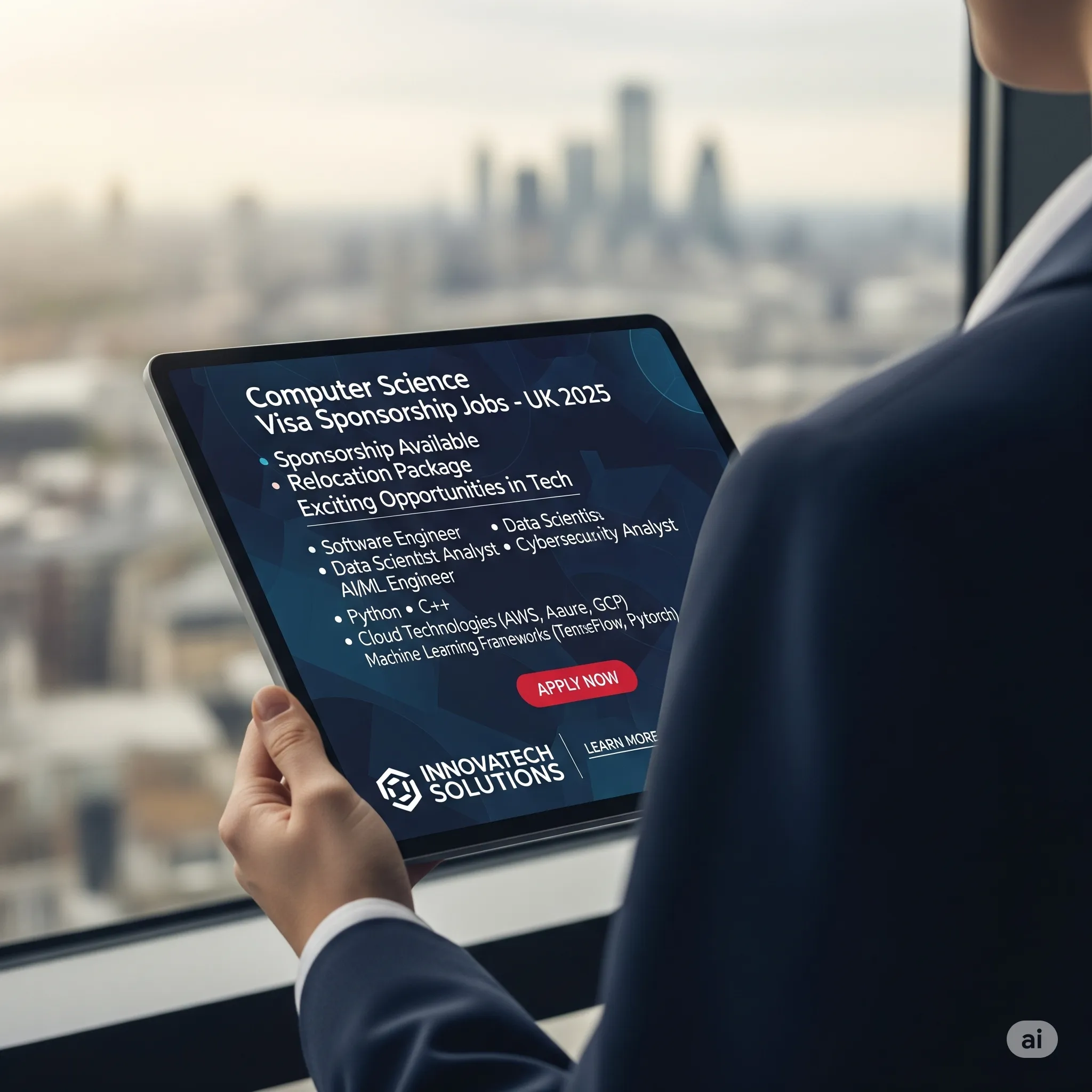
- Information Technology IT. Cities like Berlin and Munich hire software developers data analysts and cybersecurity experts. Salaries range from €45,000 to €90,000. Remote and hybrid work options are common
- Healthcare. Germany needs nurses physiotherapists and medical technicians. Hospitals often provide free German courses. Average salaries are €35,000 to €65,000
- Engineering and Manufacturing. Big companies like Siemens BMW and Bosch hire mechanical engineers renewable energy experts and process engineers. Salaries are €50,000 to €85,000
- Hospitality and Tourism. Hotels restaurants and travel companies offer fast entry jobs. Salaries start at €25,000 to €40,000 but promotions come quickly if you work hard
4. Language and Skills
Speaking German improves your chances of finding better jobs.
- A1 to A2 level is good for basic service jobs
- B1 to B2 level is needed for office jobs nursing and customer service roles
- C1 to C2 level is required for specialist or leadership positions
The government runs language and integration courses to help new arrivals. Some employers pay for these classes as part of job benefits.
Germany also has a system to recognize foreign degrees and certificates. This helps doctors engineers teachers and skilled workers get approved to work in their fields.
5. How to Find Jobs
Finding a job in Germany requires both online searching and personal networking.
5.1 Best job websites
- XING which is similar to LinkedIn
- Indeed Germany
- LinkedIn for global and IT jobs
- Federal Employment Agency the official government site
- Make-it-in-Germany Portal the official Germany portal
Networking is also important. Attending job fairs joining business groups and meeting people through alumni networks can give you more chances. Recruitment agencies are another option and some even provide CV support and interview coaching.
Many international job seekers also explore opportunities in specialized fields like computer science teaching positions at universities or entry-level positions such as cashier jobs in Italy to build European work experience.
6. Application and Interview Tips
German job applications have special rules. A CV called Lebenslauf usually includes a professional photo detailed work history and personal details such as marital status. Be clear with job dates and tasks.
6.1 At interviews employers expect
- Punctuality arriving exactly on time
- Direct answers with honesty
- Good knowledge of your subject
- Research about the company before the interview
Salary negotiation is usually professional. Research the market pay level in advance and be realistic. Companies may also give extra benefits such as transport passes or meal vouchers.
7. Long Term Career Benefits
Working on a spouse visa in Germany opens the door to long term success.
With time you can
- Apply for permanent residency after 3 to 5 years
- Apply for German citizenship
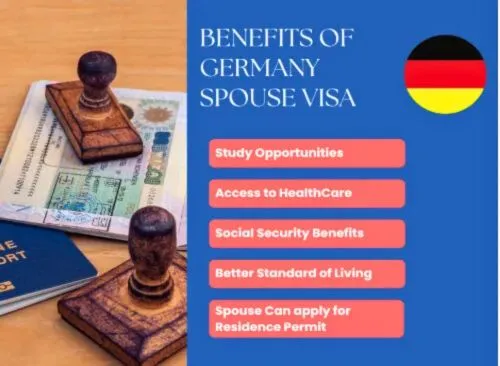
- Access pensions and social security benefits
- Grow your career in a strong and stable economy
Many success stories show how quickly spouse visa holders progress. IT workers often move to senior roles within a few years. Healthcare workers become team leaders. Entrepreneurs start their own companies. Germany also supports startups making it easier for newcomers to launch businesses.
8. Conclusion
The Germany spouse visa is one of the best ways to build a career in Europe. With full work rights competitive salaries and career security it gives families the chance to settle and grow.
8.1 To succeed faster
- Learn German up to at least B1 level
- Get your qualifications recognized early
- Use job websites and networking events
- Be well prepared for German style interviews
For official information visit the Make it in Germany Portal which is the governments site for international workers.
Germanys job market is growing and ready to welcome skilled and motivated spouse visa holders. Whether you want to work in IT healthcare engineering or hospitality your career opportunities are waiting. With preparation and persistence you can build a rewarding future in Germany.
Disclaimer: Some images in this article are generated using AI tools for illustrative purposes. They may not represent real events or people.